
Why Phone Calls With Adjusters Are Draining Your Bodyshop Profits
Every collision repair shop in US knows the feeling: the phone rings, it's an insurance adjuster, and suddenly, what should be a straightforward discussion about an estimate turns into a frustrating, time-consuming negotiation with no written record. In an industry where efficiency is paramount and every minute counts, this common scenario isn't just an annoyance – it's a significant drain on resources, fostering miscommunication and often leading to unfair outcomes.
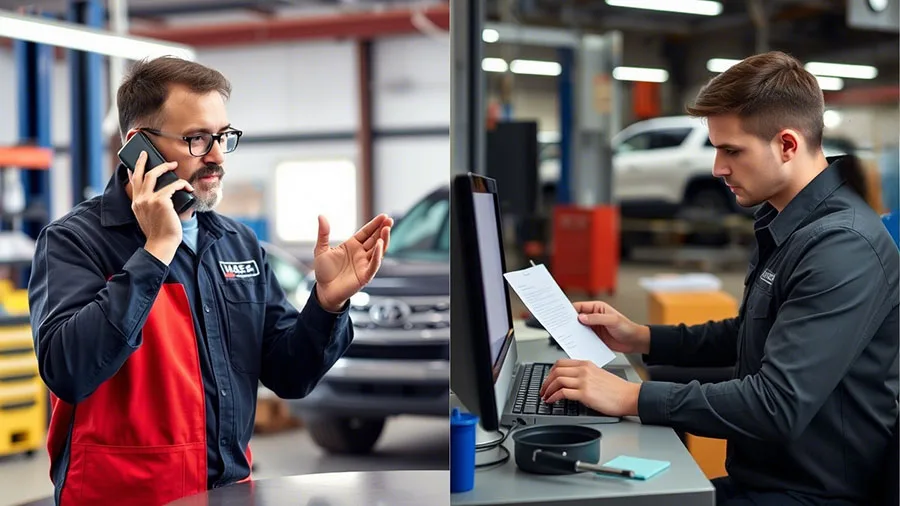
The Unspoken Truth: Why Phone Dominance Persists
There's a prevailing sentiment among bodyshops that the adjusters' unwavering preference for phone calls over written communication, such as emails or CCC ONE® event logs, isn't just a matter of personal preference. It's often perceived as a deliberate tactic to avoid creating a documented trail. Without a written record, agreements become nebulous, changes in repair plans are harder to track, and disagreements can quickly devolve into "he said, she said" arguments, leaving bodyshops at a distinct disadvantage.
This lack of documented communication creates several critical problems:
- Inefficient Operations: Each phone call, especially when it goes unrecorded, demands valuable time and attention from your staff. Estimators are pulled away from new estimates, production managers from overseeing repairs, and office staff from managing customer interactions. When multiple calls are needed for a single vehicle, the time sink multiplies, directly impacting your shop's throughput.
- Aggressive Adjuster Behavior: Without the accountability of a written record, adjusters may feel more emboldened to dictate terms rather than engage in genuine discussion. This can lead to aggressive pushing for lower repair costs, denial of necessary operations, or attempts to circumvent established repair procedures, knowing there's no easy way to prove their mandates later on.
- Difficulty Reaching Agreements: When conversations are informal and undocumented, the opportunity for misunderstandings skyrockets. Details about agreed-upon repairs, supplements, or specific repair procedures can be easily misconstrued or forgotten, leading to costly reworks, delays, and a constant battle to get paid for the work performed.
- Lost Time and Productivity: Every call that could have been an email is a moment of lost productivity. Your team spends more time on the phone than on revenue-generating activities, directly impacting your bottom line.
Beyond the Buzz: The Need for Documented Clarity
While some might argue that a phone call offers a "personal touch" or allows for quicker back-and-forth, the overwhelming consensus from the shop floor is that this often comes at too high a cost. The benefits of a swift, documented exchange through email or integrated communication platforms far outweigh the perceived advantages of a transient phone conversation.
Imagine a world where every approval, every change, and every conversation point is instantly logged and accessible. This isn't just a dream; it's a necessity for modern bodyshops striving for efficiency and transparency.
How Enhanced Workflow Streamlines Communication and Boosts Accountability
The key to navigating this challenge lies in adopting systems that prioritize and facilitate clear, documented communication with all stakeholders, including insurance companies. Solutions like EstVis are designed precisely for this purpose.
While EstVis doesn't force adjusters to send emails, it empowers your shop with the tools to demand and maintain a robust communication trail:
- Centralized Case Management: EstVis's comprehensive RO (Repair Order) management features ensure that every detail related to a vehicle's repair, including communication logs, documents, and changes in status, is meticulously recorded within a single, easily accessible case file. This means if an adjuster makes a verbal approval, you can immediately follow up with a documented confirmation of the conversation, attaching it directly to the vehicle's record.
- Seamless Document Management: With EstVis, sending photo documentation and other critical information to insurance companies in compliance with their requirements is a one-click action. This not only speeds up the process but also creates an undeniable record of precisely what was sent and when, leaving less room for dispute.
- Automated Communication Triggers: While direct adjuster communication isn't automated, EstVis excels at automating customer notifications and internal communication. For instance, if an adjuster approves a supplement verbally, EstVis can instantly notify your estimator, prompting them to send a written confirmation, ensuring the internal and external communication loops are closed and documented.
- KPIs and Reporting: EstVis provides robust metrics and reports to control efficiency and track various parameters. By analyzing communication patterns and the time spent on specific tasks, you can identify bottlenecks caused by inefficient adjuster interactions and advocate for more documented methods.
- Internal Messenger and Task Management: Communication within your shop regarding adjuster interactions is streamlined through a built-in messenger. Staff can add notes, create tasks for colleagues (e.g., "Follow up with Adjuster X for written confirmation on supplement Y"), ensuring no verbal instruction falls through the cracks and all internal communications are documented.
By leveraging a robust management system, your bodyshop can proactively counter the "phone call only" tactic. You gain the ability to quickly document verbal agreements, easily share comprehensive information digitally, and maintain a clear, auditable trail of all interactions. This shifts the power dynamic, moving discussions from ambiguous phone calls to transparent, documented exchanges, ultimately leading to faster approvals, fewer disputes, and a more profitable operation.
Don't let undocumented conversations be the silent trap that holds your bodyshop back. Embrace technology that champions transparency and accountability, ensuring every word exchanged translates into a clear, recorded step towards a completed, fully paid repair.