
Documentation – Boost Bodyshop Efficiency with Smarter Photo Workflows
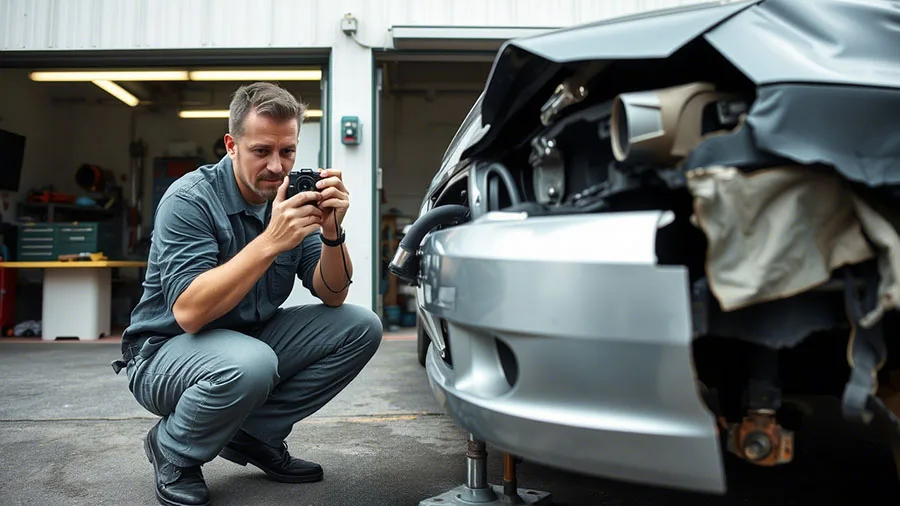
Crisp, detailed photo documentation forms an indispensable requirement in modern collision repair operations. It's the bedrock of accurate estimates, seamless communication with insurance carriers, and ultimately, satisfied customers. Yet, a persistent thorn in the side of many US bodyshops is the frustrating battle with photo file sizes. You capture that perfect, detailed shot of damage, ready to upload, only to be met with error messages and the dreaded "file too large" notification.
This isn't just a minor inconvenience; it's a productivity drain, a source of unnecessary stress, and a bottleneck that slows down the entire repair process.
The High-Resolution Headache: Why Modern Cameras and Old Systems Collide
Today's smartphones and digital cameras boast incredible resolutions, capturing every minute detail. While this is fantastic for visual clarity, it translates into hefty file sizes. The problem arises when these large files butt heads with outdated software limitations or the restrictive upload requirements of various insurance carriers.
Many bodyshops find themselves trapped in a cycle of workarounds:
- File Management Chaos: Struggling with disorganized photo libraries where vehicle images get mixed up, requiring tedious manual searches through hundreds of unnamed files to locate specific damage documentation.
- Low-Resolution Defaults: Sacrificing image quality by intentionally shooting in lower resolutions, potentially missing critical details for accurate estimates while creating visual records that may fail insurance scrutiny.
- Third-Party Resizing Tools: Wasting valuable time exporting photos, importing them into external editing software, resizing them and then re-importing them into their management systems – a process that often leads to version confusion and misplaced files.
- App-Specific Tricks: Resorting to cumbersome methods within certain apps to get photos to "fit," which can be inconsistent, unreliable and frequently result in improperly formatted images.
- Naming Convention Nightmares: Wasting countless hours manually renaming photo files to maintain some organization, only to have the system break down when multiple staff members follow different naming protocols.
- Version Control Issues: Accidentally working with outdated or wrong images after multiple editing rounds, leading to incorrect estimates and potential supplement requests from insurers.
Each of these workarounds adds unnecessary steps, delays, and introduces the risk of errors or missed information. This directly impacts efficiency, prolongs the estimation process, and can even affect your bottom line.
Beyond the Frustration: The Real Cost of Subpar Photo Workflows
The consequences of inefficient photo management extend far beyond a few extra clicks.
- Delayed Estimates: Every minute spent resizing or re-uploading photos is a minute lost on getting an estimate to a customer or an insurance adjuster. This can push back repair schedules and impact customer satisfaction.
- Supplement Delays: When initial photos aren't clear enough, or details are missed due to forced lower resolutions, supplements become inevitable. This creates additional administrative burdens and further delays.
- Communication Gaps: Poor quality images can lead to misunderstandings with adjusters, increasing back-and-forth communication and slowing down approvals.
- Reduced Profitability: Time is money in a bodyshop. Inefficient processes directly eat into your operational efficiency and, consequently, your profitability.
EstVis: Streamlining Photo Documentation for Peak Efficiency
While individual insurance carrier requirements can vary, the right management software can significantly alleviate the photo file size burden and streamline your entire documentation process. This is where EstVis comes in.
EstVis is designed to simplify and automate a wide range of bodyshop processes, including critical photo documentation. Instead of forcing you into time-consuming workarounds, EstVis helps you manage your photos efficiently.
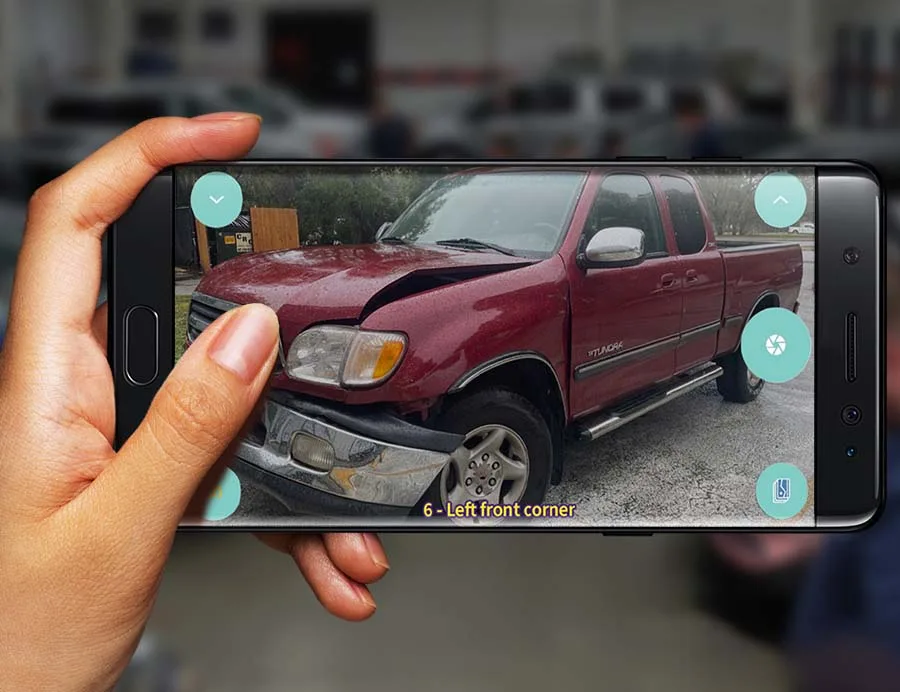
- Simplified Photo Documentation: EstVis guides you through the photo capture process with templates, ensuring you capture all necessary angles and details. This structured approach implicitly helps manage the volume of photos needed without overwhelming your system.
- Seamless Integration: EstVis integrates with leading estimating systems like Mitchell® Connect, CCC®, and Audatex®. This means you can manage your estimates and associated documentation, including photos, within a unified platform, reducing the need for multiple exports and imports.
- One-Click Documentation Sending: EstVis streamlines the process of sending photos and other documentation to insurance companies in compliance with their requirements through a one-click action. This automation minimizes the manual effort often associated with tailoring images for different carriers.
By providing a more streamlined and integrated approach to photo documentation, EstVis reduces the need for manual resizing and the frustration of dealing with restrictive file size limits. It empowers your team to capture what's needed, process it efficiently, and move forward with repairs, all while maintaining the high quality of documentation that insurance carriers expect.
Reclaim Your Time and Boost Your Bottom Line
The days of wrestling with oversized image files don't have to be a daily reality. By adopting a comprehensive management solution like EstVis, collision repair bodyshops can overcome common photo upload frustrations, improve workflow efficiency, and dedicate more time to what they do best: restoring vehicles and delighting customers. Invest in a system that works with your modern equipment, not against it, and watch your productivity soar.